
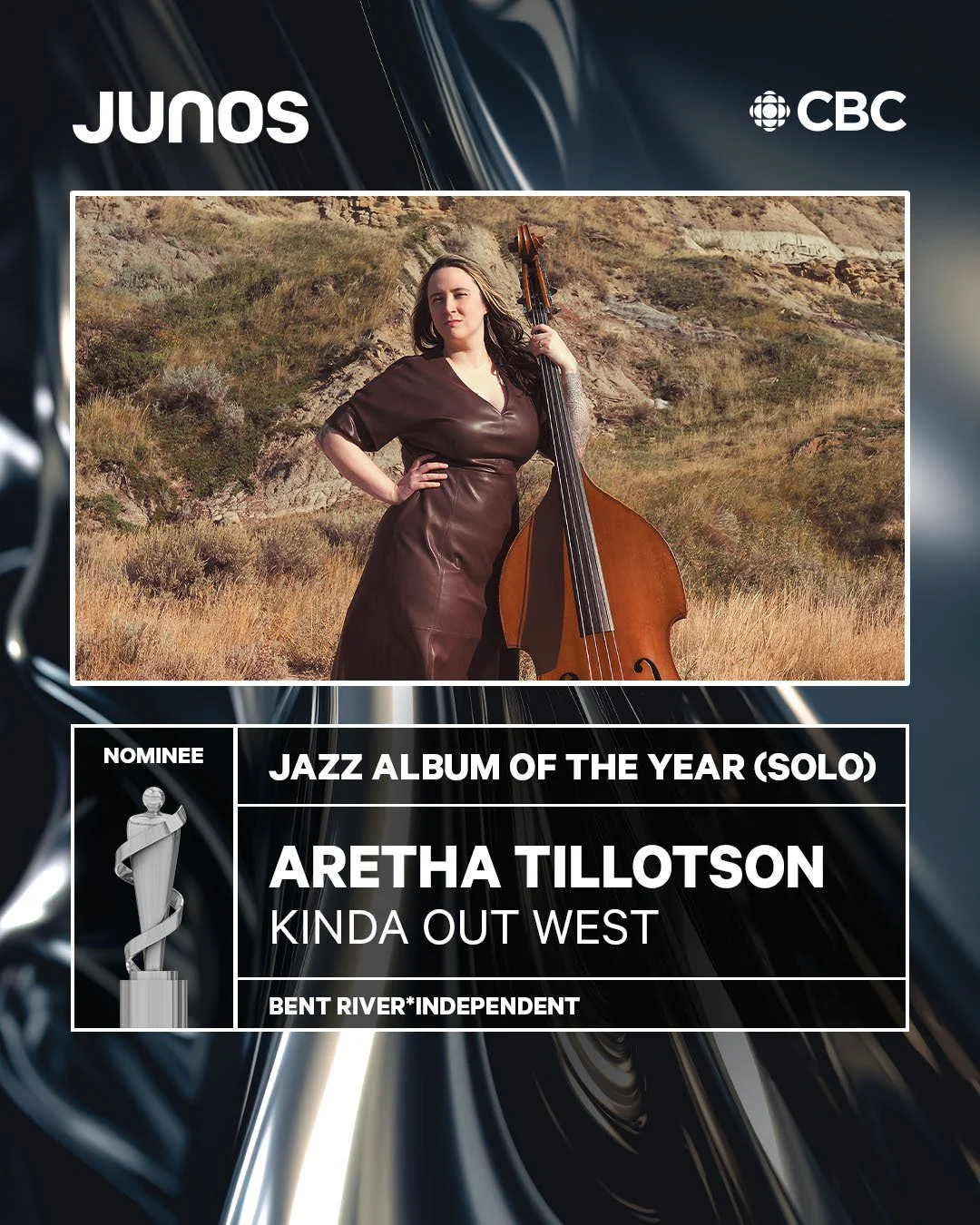
Hi, I'm Reuben Ghose, a mastering engineer based in Toronto. Three records I mastered have been nominated for the 2026 Juno Awards. That’s pretty cool! I'm grateful to work with so many talented artists, producers, and mixers.


I compare two masters of Wilco's 'Kamera' from Yankee Hotel Foxtrot—Steve Rooke's original and Bob Ludwig's 2022 remaster—to reveal how simple EQ choices create different musical experiences.
'BASS-RHYTHM AND MUSICAL FOUNDATION - 3rd and 4th Octaves - 64 - 256cps': "Profound attention should be given to equalization or attenuation in this range, for the musical balance of the entire program can be controlled at 100 cps."
“With EQ alone, he controlled the dynamics and balanced the vocals without relying on any compression. As a result, the beat remained powerful and punchy but was better controlled.”
“Complex problems don't always need complex solutions.
Ludwig could have used sophisticated dynamic processing to tame that tambourine. Instead, he chose the approach that served the music best: a simple cut combined with his shelf boost.”
“Analyzing other engineers’ work teaches you more than their specific moves. It teaches you to listen differently, think creatively, and trust your instincts when the standard approach isn’t enough.”
"Get the bass right, and suddenly the vocals sit better. The kick hits harder. The guitars find their space. Everything feels more balanced because you've built from a solid foundation." — I adapted an idea from Andy Wallace that can improve your mastering work.
“Because I’d analyzed bus compression in Serban’s mixes, I could hear what the problem was and knew how to fix it. I applied the techniques I’d learned, and the compression improved the track, enhancing its movement. The result was a punchier track with a harder-hitting groove. Additionally, I could reduce the overall level reaching my limiter while still maintaining loudness.”
“Recently I worked on 'In Your Eyes' by The Weeknd, analyzing Dave Kutch's master. Kutch is more aggressive than most A-list mastering engineers. Where others might add 1dB here and there, Kutch really goes for it with 3-4dB boosts. That might not sound like much, but in the mastering world, it's substantial.”
“Ludwig’s approach to my student project was a demonstration of his character. The attention he gave to my amateur mix—the same care he’d bring to a major release—was admirable. Even though he wasn’t getting paid for this master, and it was for a project that was way beneath him, he still put in the effort. It’s a standard worth aspiring to.”
“Instead, I started asking: which limiter makes the singer sound their best? Which one makes their performance feel stronger?” - I explore how thinking differently about my mastering decisions has improved my work.
“Most of us gravitate toward boosts because they provide immediate satisfaction. Cuts require more patience. The benefits are often subtle until you A/B them. But when cuts work, they usually work better.”





A lesson from Vlado Meller on how to deal with over-compressed mixes.